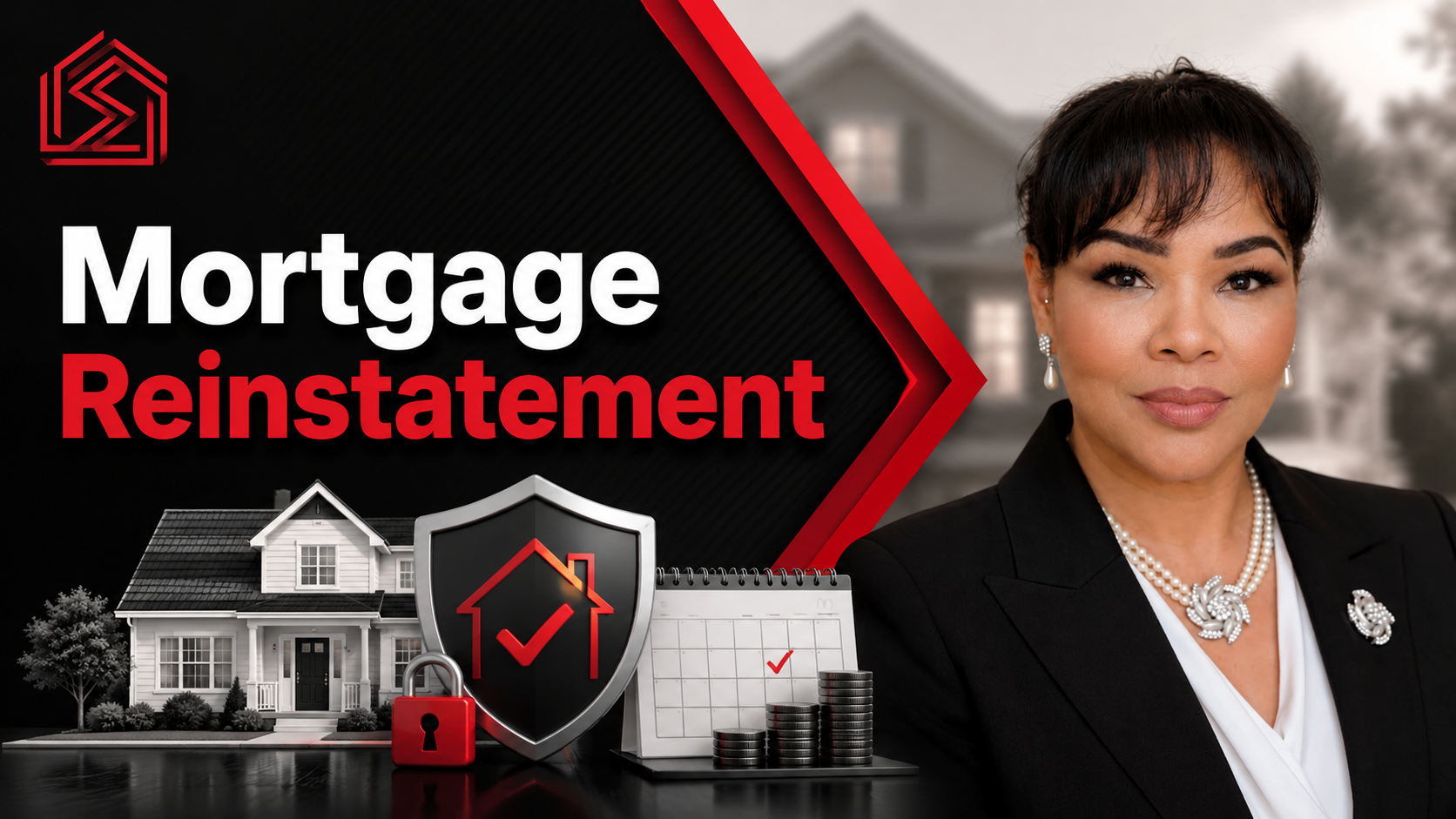
Mortgage reinstatement is one of the most effective foreclosure prevention options available to homeowners who have fallen behind on their mortgage payments. If you have experienced a financial setback but are now in a position to catch up, mortgage reinstatement may allow you to bring your loan current and avoid foreclosure.
For many homeowners in New York and New Jersey, missing mortgage payments can feel overwhelming. Whether the hardship was caused by a job loss, medical expenses, divorce, or another unexpected event, it is important to know that foreclosure is not always the only outcome. Understanding how mortgage reinstatement works can help you make informed decisions before the foreclosure process moves forward.
What Is Mortgage Reinstatement?
Mortgage reinstatement is the process of paying the total amount of overdue mortgage payments, along with any applicable interest, late fees, and lender approved costs, to bring a delinquent mortgage loan back into good standing.
Once the required amount is paid and accepted by the lender, the loan generally returns to its original payment schedule.
Unlike refinancing or loan modification, mortgage reinstatement does not change the terms of your mortgage. Instead, it allows you to resume making your regular monthly payments after catching up on what is owed.
How Mortgage Reinstatement Works
The mortgage reinstatement process usually begins by requesting a reinstatement quote from your mortgage lender or loan servicer.
The quote typically includes:
- Missed mortgage payments
- Accrued interest
- Late payment charges
- Attorney fees if foreclosure has started
- Other approved servicing costs
After the lender provides the total amount due, the homeowner pays the reinstatement amount before the required deadline.
If accepted, foreclosure proceedings may stop, and the mortgage returns to current status.
Who May Benefit from Mortgage Reinstatement?
Mortgage reinstatement may be a good option for homeowners who have experienced temporary financial hardship and now have the ability to pay the overdue balance.
Examples include homeowners who have:
- Returned to work after unemployment
- Received insurance proceeds
- Received an inheritance
- Sold another asset
- Received a financial settlement
- Improved household income
If long term affordability remains a concern, other solutions such as loan modification may be more appropriate.
Mortgage Reinstatement vs Loan Modification
Many homeowners confuse mortgage reinstatement with a loan modification, but they serve different purposes.
Mortgage Reinstatement
- Brings the existing loan current
- Requires payment of overdue amounts
- Keeps the original loan terms
Loan Modification
- Permanently changes the mortgage terms
- May reduce monthly payments
- Designed for homeowners with ongoing financial hardship
Understanding the difference helps homeowners choose the option that best fits their financial situation.
Can Mortgage Reinstatement Stop Foreclosure?
In many situations, yes.
If completed before the foreclosure sale and within the lender’s guidelines, mortgage reinstatement may stop the foreclosure process because the loan is no longer considered delinquent.
The availability and deadlines for reinstatement vary based on state law, the mortgage agreement, and the lender’s policies.
Benefits of Mortgage Reinstatement
Keep Your Home
Reinstating your mortgage can allow you to remain in your home without changing your existing loan.
Avoid Foreclosure
Bringing the loan current may prevent the foreclosure process from continuing.
Protect Your Equity
Homeowners who have built equity may preserve that value by avoiding a foreclosure sale.
Maintain Your Mortgage Terms
Unlike refinancing, reinstatement keeps your original mortgage agreement in place.
Challenges of Mortgage Reinstatement
Although mortgage reinstatement can be effective, it is not the right solution for every homeowner.
Potential challenges include:
- Large lump sum payment required
- Attorney fees if foreclosure has already begun
- Tight deadlines
- Continued financial hardship after reinstatement
Carefully reviewing your financial situation is important before deciding on any foreclosure prevention strategy.
Mortgage Reinstatement in New York and New Jersey
Because New York and New Jersey use judicial foreclosure procedures, homeowners often have opportunities to explore foreclosure alternatives before a foreclosure sale occurs.
The exact reinstatement timeline depends on the lender, the stage of the foreclosure process, and applicable state laws.
Homeowners who act early generally have more flexibility and more options available.
Common Mistakes Homeowners Make
Waiting Too Long
Many homeowners delay taking action because they hope their financial situation will improve on its own.
Ignoring Lender Notices
Important deadlines are often included in communications from the mortgage servicer.
Not Requesting a Reinstatement Quote
Understanding the exact amount required is essential before making financial decisions.
Assuming Foreclosure Cannot Be Stopped
Many homeowners have alternatives available before a foreclosure sale takes place.
When Should You Consider Mortgage Reinstatement?
You may want to explore mortgage reinstatement if:
- Your financial hardship was temporary.
- You now have enough funds to catch up on missed payments.
- You want to keep your home.
- You want to avoid foreclosure.
- You are able to continue making future mortgage payments after reinstatement.
Acting early often provides the best opportunity for a successful outcome.
Related Articles
- Foreclosure Prevention
- Loan Modification
- Loss Mitigation
- Mortgage Hardship
- Mortgage Delinquency
- Mortgage Default
- Can I Sell My House Before Foreclosure?
External Resources
Consumer Financial Protection Bureau
https://www.consumerfinance.gov
HUD Housing Counseling
Reddit Discussion
https://www.reddit.com/r/RealEstate
Conclusion
Mortgage reinstatement may provide homeowners with an opportunity to catch up on missed mortgage payments and avoid foreclosure without changing the terms of their existing loan. If your financial hardship was temporary and you now have the resources to bring your loan current, acting quickly can help protect your home, preserve your equity, and restore your mortgage to good standing. Homeowners in New York and New Jersey should explore their options as early as possible to improve the likelihood of a successful outcome.